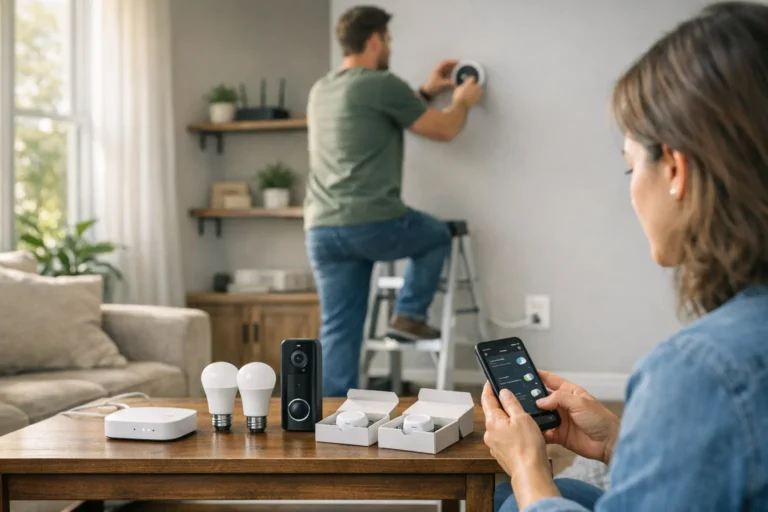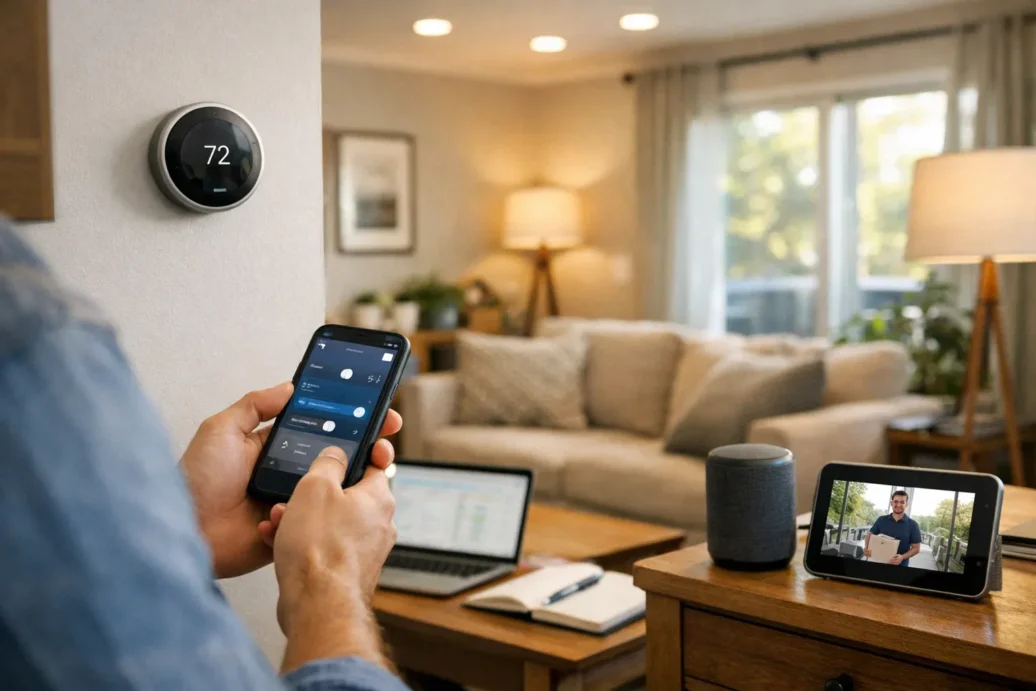
The idea of a fully automated home once felt like science fiction, but today, it’s a reality for millions. As we move through 2026, the demand for smart home technology in the USA continues to climb. Homeowners are drawn to the promise of convenience, security, and energy savings. However, one of the biggest questions I hear is about the smart home automation systems price. With so many options, from simple DIY gadgets to professionally installed luxury systems, the costs can seem confusing.
The price tag for a smart home isn’t a single number. It varies wildly based on your home’s size, the brands you choose, and whether you install it yourself or hire a pro. In my experience helping people navigate these choices, understanding the breakdown is the first step to making a smart investment. This guide will pull back the curtain on the real costs you can expect in 2026.
This guide will cover:
- What really determines the final price
- A breakdown of installation and room-by-room costs
- DIY vs. professional systems and which is best for your money
- Hidden fees and monthly subscriptions to watch out for
- Common mistakes that can inflate your budget
Quick Overview: The price of a smart home automation system in 2026 can range from $500 for a basic DIY setup to over $15,000 for a professionally installed, fully integrated system. Key factors influencing the cost include the size of your home, the number of devices, the brand ecosystem, and whether you choose professional installation.
Table of Contents
- What Determines Smart Home Automation Systems Price?
- Smart Home Installation Cost in the USA (2026 Updated)
- Home Automation System Cost Breakdown (Room-by-Room Guide)
- DIY vs Professional Systems – Which Is More Cost-Effective?
- Best Smart Home System for the Money in 2026
- Monthly Fees & Hidden Ongoing Costs
- Real-Life Cost Scenarios (Small, Medium & Luxury Homes)
- Pros and Cons of Smart Home Automation Systems
- Common Mistakes That Increase Smart Home Automation Systems Price
- Smart Home vs Traditional Systems – Cost Comparison
- How to Plan Your Budget for a Smart Home in 2026
- Conclusion – Is Smart Home Automation Worth the Price in 2026?
- Frequently Asked Questions (FAQ)
What Determines Smart Home Automation Systems Price?
When clients ask me for a quote, they’re often surprised by the range of factors that contribute to the final cost. It’s not just about the gadgets themselves. The true smart home automation systems price is a blend of hardware, software, and labor. Understanding these components helps you build a realistic budget.
Here’s a breakdown of what drives the cost:
- Size of Your Home: A larger home with more rooms naturally requires more devices, wiring, and network infrastructure, directly increasing the total price. A 1,000 sq ft apartment has far fewer needs than a 4,000 sq ft house.
- Number of Devices: The more lights, locks, cameras, and sensors you want to integrate, the higher the cost. Each device adds to both the hardware and potential installation expenses.
- Brand Ecosystem: Premium brands like Crestron or Control4 come with a higher price tag but offer seamless integration. More accessible ecosystems like Amazon Alexa, Google Home, or Apple HomeKit are cheaper but can sometimes feel less unified.
- Wired vs. Wireless Systems: Wireless systems are easier and cheaper to install, especially in existing homes. Wired systems are more reliable and secure but require significant labor, often best suited for new construction.
- Professional Installation vs. DIY: Doing it yourself saves on labor costs but requires your time and technical know-how. Professional installation ensures everything works perfectly from day one but adds a significant cost.
- Custom Programming Needs: Do you want a button that turns off all lights, locks the doors, and sets the thermostat to 68 degrees? This level of custom automation requires expert programming, which adds to the project’s expense.
- Ongoing Subscriptions: Many systems have monthly fees for cloud storage (cameras), professional monitoring (security), or advanced features.
Smart Home Installation Cost in the USA (2026 Updated)
The hardware is only one part of the equation; the smart home installation cost is the other major component, especially for integrated systems. Many people I’ve worked with underestimate this part of the budget. In 2026, labor rates for skilled technicians continue to be a primary driver of the overall expense.
Here are some key points about installation costs:
- Average Labor Rates: In the USA, you can expect to pay a certified automation installer anywhere from $85 to $150 per hour. This rate varies based on your location and the installer’s expertise.
- Installation Cost Per Device: Some installers charge on a per-device basis. For example, installing a smart switch might cost $100–$200, while mounting a security camera could be $150–$300.
- Full-Home Automation Setup: For a comprehensive, professionally installed system, installation costs can range from $2,000 to $10,000 or more, not including the hardware. This covers everything from wiring and networking to programming and user training.
- Retrofitting vs. New Construction: Installing a wired smart home system in an existing home is more expensive because it involves opening walls. In new construction, running the necessary low-voltage wiring is much simpler and more cost-effective.
- Hidden Costs: Homeowners often miss potential extra costs. These can include needing to upgrade an electrical panel, running new Ethernet cables for a robust network, or obtaining permits for major electrical work.
One thing I always tell people is to consider the difference between a general electrician and a certified automation installer. An electrician can handle the wiring, but an automation specialist understands how to make all the different systems—lighting, HVAC, security, and entertainment—talk to each other seamlessly. The extra cost for their expertise is often worth it.
Home Automation System Cost Breakdown (Room-by-Room Guide)
Thinking about your smart home on a room-by-room basis can make budgeting feel less overwhelming. It helps you prioritize what’s most important and build your system over time. Here’s a general guide to what you might spend in different areas of your home.
Living Room ($500 – $3,000+):
This is often the heart of the smart home. Costs here can include smart lighting ($200–$1,500 for a mix of bulbs and switches), integration with a smart TV and sound system, and perhaps motorized blinds ($500–$2,000 per window).
Kitchen ($300 – $5,000+):
Smart kitchens can get pricey with high-end appliances, but you can start small. Smart plugs ($50–$100) can make your existing small appliances smart. Smart faucets and refrigerators represent a much larger investment.
Bedroom ($250 – $2,000):
Comfort and convenience are key here. A smart thermostat ($200–$400 installed) is a popular starting point. Automated lighting scenes for waking up or winding down and smart speakers for music are also common additions.
Security & Entry ($500 – $4,000):
This is a top priority for many. Costs can include a video doorbell ($200–$400), smart locks ($250–$500), several security cameras ($500–$2,000), and a monitored alarm system ($500+ plus monthly fees).
Outdoor Areas ($400 – $2,500):
Automating your outdoor space adds both convenience and security. A smart garage door opener ($300–$600), smart irrigation system to save water ($400–$1,000), and outdoor smart lighting can transform your home’s exterior.
DIY vs Professional Systems – Which Is More Cost-Effective?
This is one of the most common forks in the road when planning a smart home. The “right” answer depends entirely on your budget, technical comfort level, and long-term goals. From my experience, both paths can lead to a great result, but they serve different needs.
DIY Systems (e.g., Ring, Nest, Ecobee):
These systems are built around individual, “plug-and-play” devices that you can set up yourself. They are fantastic for renters or those who want to start small and add on over time. The upfront cost is significantly lower because you’re not paying for professional labor. However, customization can be limited, and getting devices from different brands to work together perfectly can sometimes be a challenge.
Professional Systems (e.g., Control4, Crestron, Savant):
These systems are designed for whole-home integration and are installed by certified professionals. The initial investment is much higher, but what you get is a completely seamless and reliable experience. A single app or touchscreen controls everything in your home, and the level of custom automation is virtually limitless. These are best for homeowners who want a powerful, unified system without the headache of managing it themselves.
Here’s a quick comparison:
|
Feature |
DIY Systems |
Professional Systems |
|---|---|---|
|
Upfront Cost |
Low |
High |
|
Scalability |
Good (add device by device) |
Excellent (planned from start) |
|
Reliability |
Good, but can have glitches |
Excellent, very robust |
|
Customization |
Limited |
Nearly limitless |
|
Maintenance |
Self-managed |
Often requires a technician |
Ultimately, what works best is choosing the path that matches your vision. If you just want smart lights and a thermostat, DIY is highly cost-effective. If you envision a home where everything works in perfect harmony at the touch of a button, a professional system is the better long-term investment.
Best Smart Home System for the Money in 2026
Finding the “best” system is about finding the best value for your specific needs. The most expensive option isn’t always the right one, and the cheapest might not meet your expectations. In 2026, the best smart home system for the money is one that balances cost, features, and future-proofing.
Budget-Friendly Ecosystems:
For those just starting out, ecosystems built around Amazon Alexa, Google Home, or Apple HomeKit offer incredible value. You can start with a single smart speaker and a few smart plugs or bulbs for under $200. The key is to buy devices that are compatible with your chosen ecosystem to ensure they can be controlled from a single app.
Mid-Range Integrated Systems:
Systems like those from Brilliant or certain packages from security companies (like ADT or Vivint) offer a good middle ground. They provide a more integrated experience than pure DIY but without the high cost of luxury automation. These are great for homeowners who want robust security and lighting control managed through a central hub.
Luxury High-End Automation:
For those seeking the pinnacle of smart home living, brands like Control4 and Crestron deliver. While the initial investment is substantial, the price-to-feature ratio can be excellent if you value deep customization, unwavering reliability, and a single point of contact for service.
A crucial factor in 2026 is the Matter protocol. I always advise clients to prioritize devices that are Matter-compatible. This new industry standard allows devices from different brands to work together seamlessly, which makes your system more flexible and expandable in the future. It’s the best way to future-proof your investment.
Monthly Fees & Hidden Ongoing Costs
The initial smart home automation systems price is just the beginning. Many people are caught off guard by the recurring costs required to keep their systems running smoothly. Budgeting for these from the start is essential for a positive long-term experience.
These are the ongoing costs I make sure my clients are aware of:
- Cloud Storage Fees: Most video doorbells and security cameras require a monthly subscription to store video clips in the cloud. These fees typically range from $3 to $15 per month, per camera, or for a household plan.
- Professional Monitoring: If your smart home includes a security system, professional monitoring services that contact emergency services for you can cost between $20 and $60 per month.
- Software and Feature Updates: Some high-end systems may charge for major software updates or to unlock new features, though this is becoming less common.
- Device Replacement Costs: Smart devices, like any electronics, have a limited lifespan. You should budget for replacing items like smart bulbs or sensors every 5-7 years.
- Internet Upgrade Requirements: A smart home with dozens of devices, especially cameras, places a heavy load on your Wi-Fi. You may need to upgrade to a more expensive internet plan or invest in a mesh Wi-Fi system ($200–$500) for reliable coverage.
Real-Life Cost Scenarios (Small, Medium & Luxury Homes)
To make the costs more tangible, let’s look at three realistic scenarios for different types of homes in 2026.
Scenario 1: Small Apartment (1,000 sq ft)
This owner wants convenience and some basic security. The setup is entirely DIY.
- Devices: Smart speaker, video doorbell, smart lock, smart thermostat, 5-6 smart bulbs.
- Ecosystem: Google Home or Amazon Alexa.
- Estimated Cost: $800 – $1,500.
- Notes: A great, affordable entry point into home automation.
Scenario 2: Mid-Size Family Home (2,500 sq ft)
This family wants integrated security, lighting, and climate control. They opt for a hybrid system with professional installation for key components.
- Devices: Monitored security system with cameras, smart locks, video doorbell, two smart thermostats, smart switches in key areas, and a central control panel.
- System: A professional system from a brand like Vivint or a local installer using a mix of compatible devices.
- Estimated Cost: $5,000 – $12,000 (plus monthly fees).
- Notes: Balances powerful features with a manageable budget.
Scenario 3: Luxury Smart Mansion (5,000+ sq ft)
The owner wants a fully integrated, custom-programmed home for ultimate luxury and convenience.
- Devices: Everything is automated—lighting, shades, multi-room audio/video, security, climate, pool, and irrigation.
- System: A high-end professional system like Crestron or Control4, installed during construction.
- Estimated Cost: $50,000 – $150,000+.
- Notes: This involves extensive custom programming for “scenes” like “Entertain,” “Goodnight,” or “Away” that control multiple systems at once.
Pros and Cons of Smart Home Automation Systems
Like any major home upgrade, smart home automation has its advantages and disadvantages. It’s important to have a balanced view before you invest.
Pros:
- Convenience: Control your home’s lighting, climate, and security from your phone or with your voice.
- Energy Efficiency: Smart thermostats and lighting can learn your habits and reduce energy consumption, saving you money on utility bills.
- Enhanced Security: Receive alerts on your phone, see who is at your door from anywhere, and automate lights to make it look like someone is home.
- Increased Home Value: A well-designed smart home can be a strong selling point, potentially increasing your property’s resale value.
Cons:
- High Upfront Cost: The initial investment, especially for professional systems, can be substantial.
- Compatibility Issues: Ensuring all your devices work together can be frustrating, particularly with DIY setups.
- Cybersecurity Risks: Any device connected to the internet is a potential target for hackers. It’s crucial to secure your network and use strong passwords.
- Dependence on Internet: Many smart devices don’t function properly or at all if your internet connection goes down.
Common Mistakes That Increase Smart Home Automation Systems Price
Over the years, I’ve seen homeowners make the same costly mistakes. Avoiding these pitfalls can save you thousands of dollars and a lot of frustration.
- Buying Incompatible Devices: One of the biggest mistakes is buying a collection of gadgets that don’t talk to each other. You end up with a dozen different apps instead of a unified system. Always check for compatibility with your core ecosystem (Apple HomeKit, Google Home, etc.) or a central hub.
- Ignoring Long-Term Scalability: Don’t just plan for what you need today. Think about what you might want in five years. Choosing a system that can’t grow with you means you might have to replace it entirely down the road.
- Underestimating Installation Costs: As we discussed, labor can be a huge part of the budget. Always get a detailed quote that separates hardware and installation costs.
- Skipping Proper Wiring During Construction: If you’re building a new home, the single best thing you can do is run extra Cat6 Ethernet and low-voltage wiring to key locations. It’s incredibly cheap to do during construction but very expensive to add later.
- Choosing the Cheapest Installer: Not all installers are created equal. An inexperienced technician can cause endless problems. It’s better to pay a bit more for a certified professional with a proven track record.
Smart Home vs Traditional Systems – Cost Comparison
Is a smart home really more expensive in the long run? Let’s compare the costs over a five-year period. A traditional home might have a standalone alarm system, manual light switches, and a basic thermostat. A smart home integrates these for greater efficiency and convenience.
While the upfront smart home automation systems price is higher, the long-term savings can be significant. A smart thermostat alone can save 10-15% on heating and cooling costs. Smart lighting adds further savings. When you factor in a potential 5-year ROI from energy savings and the increased property value, the initial investment often pays for itself. In today’s market, a smart home is an asset, whereas a “dumb” home is increasingly seen as dated.
How to Plan Your Budget for a Smart Home in 2026
Ready to start planning? A clear budget is your most important tool. Follow these steps to create a realistic plan.
- Define Your Priorities: What is most important to you? Is it security, energy savings, or pure convenience? Focus your initial budget on your top priority.
- Set a Realistic Budget Range: Based on the cost scenarios above, decide what you’re comfortable spending. A basic system starts around $1,000, while a mid-range setup is closer to $5,000–$10,000.
- Start with a Core System: Begin with a central hub or ecosystem. This could be a smart speaker, a security panel, or a professional controller.
- Choose a Scalable Ecosystem: Ensure the system you choose can grow with you. Prioritize Matter-compatible devices to give yourself maximum flexibility for future additions.
- Get Multiple Installation Quotes: If you’re going the professional route, contact at least three certified installers. Compare their proposed solutions and costs.
- Plan for a 10-15% Contingency: Unexpected costs always come up. Having a buffer in your budget will prevent stress and ensure you can complete the project properly.
Conclusion – Is Smart Home Automation Worth the Price in 2026?
After breaking down all the factors, the question remains: is the smart home automation systems price worth it in 2026? In my experience, for most homeowners in the USA, the answer is a resounding yes. The initial sticker shock can be daunting, but the long-term benefits of convenience, security, and energy savings provide a tangible return on your investment.
The key is to approach it with a clear plan. You don’t need a six-figure luxury system to enjoy the benefits. A thoughtfully planned DIY or hybrid system can deliver 80% of the value for 20% of the cost. The technology has matured, and with standards like Matter, creating a cohesive system is easier than ever.
So, here is my final advice:
- Start with your “why.” Focus on what problems you want to solve—better security, lower energy bills, or more convenience.
- Don’t be afraid to start small. A smart thermostat and a few smart lights can make a huge difference. You can always add more later.
- Do your research. Understand the difference between DIY and professional systems and choose the path that aligns with your budget and technical skills.
- Budget for the long term. Remember to account for potential subscription fees and future device replacements.
A smart home is no longer just a gadget-lover’s hobby; it’s a practical upgrade that enhances daily life. By planning carefully, you can build a system that fits your budget and makes your home safer, smarter, and more efficient for years to come.
Frequently Asked Questions (FAQ)
How much does a full smart home automation system cost in the USA?
A full smart home automation system can vary greatly in price. A basic DIY setup for a small home might cost between $2,000 and $5,000. A mid-range, professionally installed system for an average-sized home typically costs $5,000 to $15,000. High-end, custom-programmed luxury systems can easily exceed $50,000.
Is smart home automation expensive to maintain?
Maintenance costs can include monthly subscriptions for services like cloud video storage ($3–$15/month) or professional security monitoring ($20–$60/month). You should also budget for replacing devices every 5-7 years and potential internet plan upgrades to support the increased network traffic.
Does smart home automation increase property value?
Yes, a well-implemented smart home system can increase property value. Features like integrated security, smart thermostats, and automated lighting are attractive to many buyers and can make a home more competitive on the market. Appraisers are increasingly factoring these systems into home valuations.
What is the cheapest way to automate a home?
The cheapest way is to start with a DIY approach. Begin with a single smart speaker (like an Amazon Echo or Google Nest) and add devices one at a time. Focus on high-impact items like smart plugs, smart light bulbs, and a smart thermostat. This allows you to build your system gradually as your budget allows.
Are smart home systems worth the investment in 2026?
For most homeowners, yes. The investment provides significant returns in convenience, enhanced security, and energy efficiency. With the technology becoming more reliable and standardized (thanks to protocols like Matter), 2026 is an excellent time to invest in a system that will add value to your home and lifestyle.
Can I install a smart home system myself?
Absolutely. Many smart home products from brands like Ring, Nest, Wyze, and Philips Hue are designed for easy DIY installation. However, for more complex, whole-home systems that involve wiring or advanced integration (like from Control4 or Crestron), professional installation is highly recommended.
How much does smart home installation cost per device?
Professional installation costs can vary, but you can expect to pay between $100 and $300 per device. For example, installing a smart light switch might be on the lower end of that range, while installing a hardwired outdoor security camera would be on the higher end.
About the Author