Introduction to Smart Home Automation
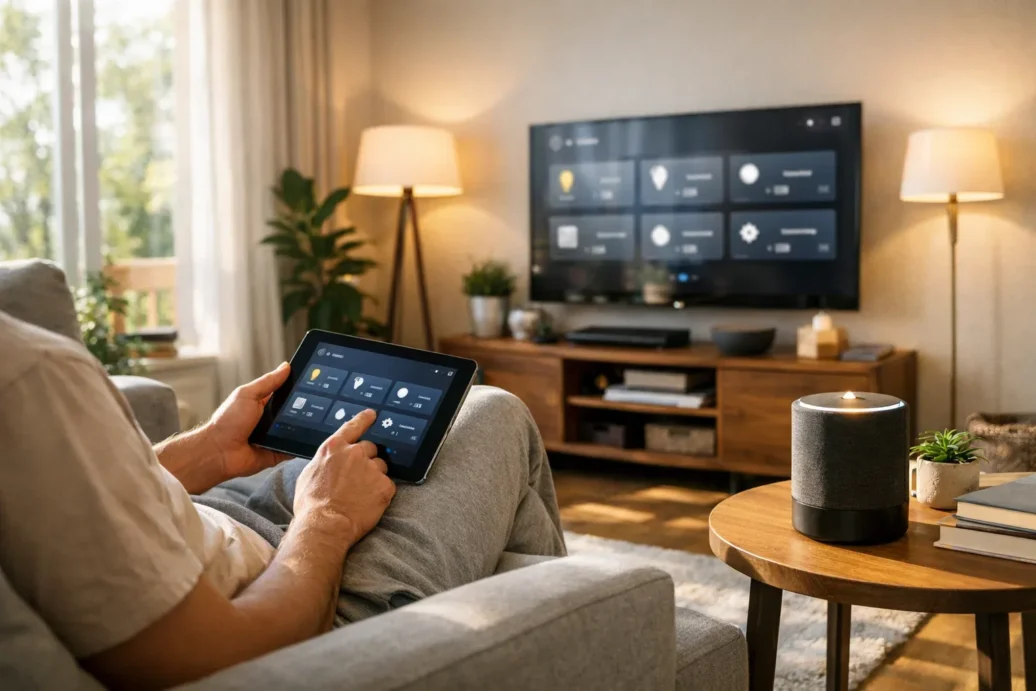
Walking into a home that knows your preferences before you even say a word is no longer science fiction—it is the standard for 2026. As technology evolves, smart home automation ideas have shifted from simple novelty gadgets to integrated ecosystems that genuinely improve our quality of life. In my experience testing various setups, the true power of automation lies not just in remote control, but in the seamless orchestration of your environment.
Smart home automation involves connecting devices like lights, thermostats, and appliances to a central system, allowing them to communicate with each other and be controlled via smartphone or voice. In 2026, we are seeing a massive surge in adoption across the USA as homeowners realize the tangible benefits: significant energy savings, enhanced security, and a level of convenience that frees up mental bandwidth.
Whether you are a tech enthusiast or someone just looking to lower their electric bill, understanding the landscape of modern automation is crucial. This guide will walk you through practical, innovative ways to upgrade your living space this year.
Here is what you will learn in this guide:
- The essential components of a modern smart home ecosystem.
- Top-rated devices and systems dominating the market in 2026.
- Practical DIY solutions for beginners and advanced energy-saving tips.
- Common pitfalls to avoid when building your automated home.
Quick Overview / AI Summary
Smart home automation refers to the technological ecosystem where household devices—such as lighting, heating, and security systems—are interconnected and controlled remotely or automatically. By 2026, these systems utilize advanced AI to predict user behavior, optimize energy efficiency, and enhance home security without manual intervention.
Table of Contents
- Top Smart Home Devices to Consider in 2026
- Essential Smart Home Automation Systems
- DIY Smart Home Solutions for Beginners
- Energy Efficiency and Sustainability
- Smart Home Security Enhancements
- Entertainment and Lifestyle Automation
- Common Mistakes in Smart Home Automation
- Smart Home Automation Comparisons
- Future Trends in Smart Home Automation
- Pros and Cons of Smart Home Automation
- Conclusion
- FAQ Section
Top Smart Home Devices to Consider in 2026
When building a smart ecosystem, the sheer volume of smart home devices available can be overwhelming. In 2026, the best devices are those that prioritize interoperability—playing nicely with others rather than locking you into a single brand. I’ve noticed that the market has moved away from “flashy” tech toward reliable, background utility.
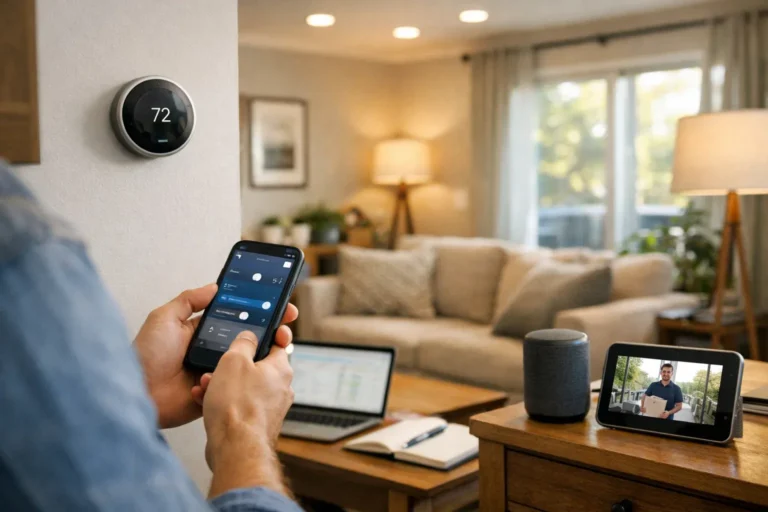
Smart speakers and voice assistants remain the command centers of the modern home. The latest iterations of Alexa and Google Home have vastly improved natural language processing, making commands feel more conversational and less robotic. Beyond voice control, smart thermostats have seen a massive leap in intelligence. Devices like the newest Ecobee or Nest models now use room occupancy sensors more effectively to adjust climates based on where people actually are, not just where the thermostat is located.
We also cannot overlook the evolution of automated lighting. Smart bulbs are now standard, but the real innovation is in adaptive lighting that adjusts color temperature throughout the day to match your circadian rhythm.
Key devices leading the charge this year:
- AI-Enhanced Security Cameras: These now distinguish between family members, strangers, and pets with high accuracy.
- Smart Appliances: Refrigerators that track expiration dates and washing machines that auto-dose detergent.
- Robot Vacuums with LIDAR: Navigation has improved so much that getting stuck on cords is largely a thing of the past.
Essential Smart Home Automation Systems
While individual devices are great, home automation systems are the glue that holds everything together. A robust system transforms a collection of gadgets into a cohesive smart home. In my experience, choosing the right “brain” for your house is the most critical decision you will make.
The debate often comes down to hub-based versus app-based systems. For serious enthusiasts, a dedicated hub like Samsung SmartThings or a specialized localized hub (like Hubitat) offers superior reliability because it often processes data locally rather than in the cloud. This means your lights still work even if the internet goes down. On the other hand, ecosystems like Apple HomeKit rely on hubs you might already own, like an Apple TV or HomePod, making entry easier for iPhone users.
Understanding communication protocols is also vital. While Wi-Fi is ubiquitous, it consumes a lot of power and can clog your network. Systems that utilize Zigbee, Z-Wave, or the new Matter standard create a separate mesh network for your devices, ensuring that your smart lights don’t slow down your Netflix streaming.
Factors for selecting the right system:
- Home Size: Larger homes benefit from mesh-network protocols like Z-Wave.
- Technical Skill: App-based systems are user-friendly; dedicated hubs offer more customization.
- Compatibility: Always check for the “Works with Matter” badge to future-proof your setup.
DIY Smart Home Solutions for Beginners
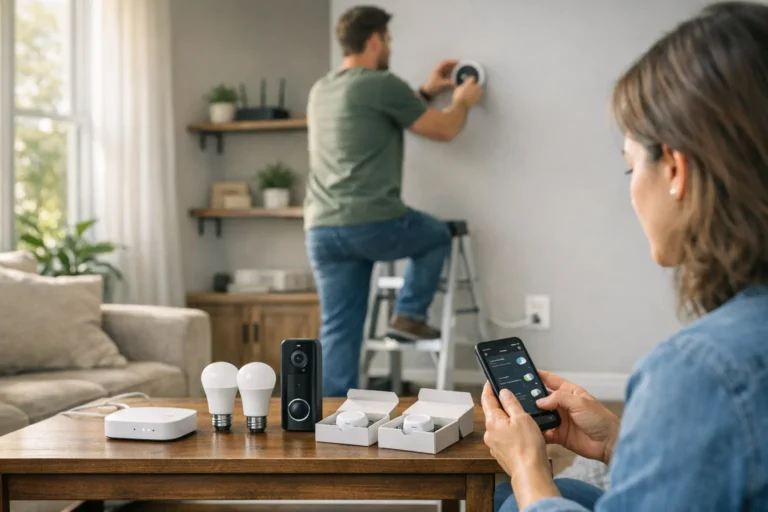
You don’t need a contractor to start automating your life. DIY smart home solutions have become incredibly accessible, allowing anyone to dip their toes in the water without a massive financial commitment. I often recommend starting small—pick one annoyance in your daily life and solve it with automation.
For instance, smart plugs are the gateway drug of home automation. They are inexpensive, require zero wiring, and can turn any “dumb” appliance—like a coffee maker or a standing fan—into a smart device. Pairing a smart plug with a motion sensor can create simple but effective routines, like having the hallway lamp turn on automatically when you walk toward the bathroom at night.
Installation has also been simplified. Most modern devices connect via Bluetooth or QR codes scanned directly in an app. You rarely need to mess with your router settings anymore. However, a common pitfall is buying cheap, off-brand devices that require their own sketchy apps. Stick to reputable brands to ensure your data stays private and your devices stay connected.
Simple DIY projects to try this weekend:
- Automated Sunset Lighting: Use smart bulbs to turn on living room lights gradually as the sun goes down.
- Morning Routine: Program a smart speaker to read the news and weather when you dismiss your alarm.
- Leak Detection: Place a simple water sensor under your sink to get alerts on your phone the instant a leak is detected.
Energy Efficiency and Sustainability
One of the most compelling reasons to adopt smart home automation ideas in 2026 is the impact on your wallet and the planet. Energy costs are a concern for everyone, and automation offers a surgical approach to cutting waste. I’ve seen households reduce their energy consumption by up to 20% simply by optimizing their heating and cooling schedules.
Smart thermostats are the heavy lifters here. They learn your schedule and automatically dial back the HVAC system when the house is empty. But it goes deeper than that. Smart blinds can be programmed to close during the hottest part of the day in summer, reducing the load on your air conditioner. Conversely, they can open to let in sunlight and free heat during the winter.
Energy monitoring apps have also become more sophisticated. Smart electrical panels or individual energy-monitoring plugs can show you exactly which appliances are “energy vampires,” drawing power even when turned off. This visibility empowers you to make changes, like putting entertainment centers on a smart strip that cuts power completely at night.
Sustainability features to look for:
- Solar Integration: Systems that prioritize running heavy appliances (like dishwashers) when solar production is highest.
- Geofencing: Automatically turning off all lights and adjusting the thermostat when the last person leaves the geo-fence of the home.
- Water Conservation: Smart irrigation controllers that skip watering the lawn if rain is in the forecast.
Smart Home Security Enhancements
Security is often the primary driver for smart home adoption. In 2026, the focus has shifted from reactive recording to proactive prevention. Modern smart home automation ideas regarding security are about deterrence and situational awareness.
Smart locks have evolved beyond just keyless entry. They now integrate with video doorbells to provide a complete picture of who is at your door. You can grant temporary access codes to dog walkers or contractors that expire automatically, eliminating the risk of lost keys. I personally find the peace of mind from receiving a notification that the front door was locked automatically at 10 PM invaluable.
Motion sensors are another pillar of smart security. When integrated with smart lighting, they can flood the perimeter of your home with light if movement is detected at night, often scaring off potential intruders before they even get close. Furthermore, these systems can now distinguish between a swaying tree branch and a person, significantly reducing false alarms.
Crucial security automations:
- Vacation Mode: Randomizes indoor lighting schedules to make the home look occupied when you are away.
- Smoke/CO Integration: Smart smoke detectors that unlock smart locks automatically and turn on lights to aid evacuation during an emergency.
- Instant Alerts: Real-time notifications to your phone—and potentially the police—if a window sensor is breached while the system is armed.
Entertainment and Lifestyle Automation
Automation isn’t just about utility; it’s about enjoyment. Lifestyle automation creates an ambiance that enhances your downtime. For movie buffs, a “Cinema Mode” routine is a game-changer. With a single voice command, you can dim the lights, close the blackout shades, turn on the projector, and set the surround sound to the perfect volume.
Music integration has also become seamless. Multi-room audio systems allow you to have your favorite playlist follow you from the kitchen to the patio without missing a beat. I’ve noticed that wake-up routines are particularly popular for lifestyle improvement. Instead of a jarring alarm clock, imagine your bedroom lights slowly brightening over 20 minutes to simulate a sunrise, while your smart speaker gently plays acoustic music.
Health and wellness are also entering the chat. Smart air purifiers can ramp up their fan speed automatically if air quality sensors detect high pollen or cooking smoke, ensuring your home environment remains healthy without you lifting a finger.
Lifestyle upgrades to implement:
- Party Mode: Syncs smart lights to the beat of the music and adjusts colors for a festive atmosphere.
- Cooking Assistant: Smart displays in the kitchen that can pull up recipes and set multiple timers via voice command.
- Bedtime Routine: A single command that turns off all house lights, locks doors, arms the security system, and plays white noise.
Common Mistakes in Smart Home Automation
Excitement often leads to haste, and in the world of home automation, haste leads to headaches. One of the most common mistakes I see homeowners make is buying devices based on price rather than compatibility. You end up with five different apps on your phone to control five different devices, which is the opposite of convenience.
Another major error is ignoring network infrastructure. A smart home is only as smart as the Wi-Fi that connects it. Adding 30 or 40 devices to a standard ISP-provided router can cause network congestion, leading to slow internet speeds and unresponsive devices. Investing in a quality mesh Wi-Fi system is almost a prerequisite for a robust smart home.
Privacy is another area where people get lax. Leaving devices on default passwords or failing to update firmware opens the door to security vulnerabilities. It is critical to treat your smart home network with the same security hygiene as your bank account.
Pitfalls to avoid:
- Over-Automation: Creating complex routines that confuse guests or family members (e.g., lights turning off when someone is still reading quietly).
- Battery Neglect: Relying too heavily on battery-powered sensors without a plan for monitoring their charge levels.
- Ignoring Physical Controls: Removing physical light switches entirely; always keep a manual backup for guests or internet outages.
Smart Home Automation Comparisons
When diving into smart home automation ideas, you will inevitably face choices. Comparing the different approaches helps clarify what fits your specific lifestyle and budget.
The biggest comparison is usually Hub-Based vs. Wi-Fi (Hubless). Wi-Fi devices connect directly to your router. They are easier to set up but can crowd your network. Hub-based devices (using Zigbee or Z-Wave) connect to a central hub. This relieves pressure on your Wi-Fi and often responds faster. In my experience, if you plan on having more than 10 smart devices, a hub-based system is superior.
Another comparison is DIY vs. Professional Installation. DIY is cost-effective and flexible, allowing you to add devices at your own pace. Professional installation (like Control4 or Savant) offers a premium, rock-solid experience where everything “just works,” but it comes with a steep price tag and makes future upgrades difficult without calling a technician.
Quick Comparison Guide:
- Amazon Alexa vs. Google Home: Alexa generally has broader device compatibility; Google is “smarter” at answering questions and searching info.
- Matter vs. Proprietary: Always choose Matter-compatible devices in 2026 to ensure they will work with any future system you buy.
- Smart Bulbs vs. Smart Switches: Use bulbs for lamps and color changing; use switches for overhead lighting to keep physical control.
Future Trends in Smart Home Automation
Looking ahead to late 2026 and 2027, the trends point toward proactive intelligence. We are moving away from “command and control” toward “anticipate and adjust.” Smart home automation ideas of the future involve AI that learns your habits so well you rarely need to issue a command.
Electric Vehicle (EV) integration is becoming standard. Smart homes will communicate with the grid to charge EVs when electricity rates are lowest, or even use the EV battery to power the home during peak hours or outages. This bidirectional charging is a massive step for energy independence.
Another exciting frontier is gesture control and presence detection using radar technology. Imagine turning off a customized alarm simply by waving your hand in the air, or lights that track your movement through a room with pinpoint accuracy without using cameras.
Innovations on the horizon:
- Context-Aware AI: Assistants that understand “Make it cozy” implies different lighting and temperature depending on whether it is a rainy Tuesday or a snowy Saturday.
- Health Monitoring: Floors equipped with sensors to detect falls or gait changes in elderly residents, alerting caregivers instantly.
- Sustainable Materials: Devices made from recycled ocean plastics and designed for easier repairability.
Pros and Cons of Smart Home Automation
It is important to have a balanced view. While I am a huge advocate for smart technology, it isn’t without its drawbacks.
Pros:
- Convenience: The ability to control your entire home from bed or while on vacation is unmatched.
- Energy Savings: Automated climate and lighting control can pay for itself over time through reduced utility bills.
- Safety: enhanced monitoring and automated deterrents make homes safer.
- Accessibility: Voice control is life-changing for individuals with mobility issues or disabilities.
Cons:
- Cost: The initial investment for a fully automated home can be significant.
- Complexity: Troubleshooting connectivity issues can be frustrating for those who aren’t tech-savvy.
- Privacy: Bringing microphones and cameras into the home requires trust in tech companies and diligent security practices.
- Dependency: If the internet goes down, some functionality (especially voice control) may be lost.
Conclusion
Embracing innovative smart home automation ideas for 2026 is about more than just buying gadgets; it is about creating a living space that works for you. From the energy-saving capabilities of smart thermostats to the peace of mind provided by intelligent security systems, the benefits are tangible and transformative.
My advice is to start with a clear goal. Do you want to save money on heating? Start with a thermostat. Do you hate fumbling for keys? Get a smart lock. Build your system piece by piece, ensuring each new addition adds real value to your daily routine. The technology is here to make life simpler, not more complicated.
By avoiding common pitfalls like network congestion and prioritizing interoperability with standards like Matter, you can build a future-proof home that serves you well for years to come. The smart home of 2026 isn’t just connected; it’s intuitive, sustainable, and surprisingly accessible.
Key Takeaways:
- Start small with impactful devices like smart plugs or thermostats.
- Prioritize a robust Wi-Fi network or a dedicated hub to ensure reliability.
- Focus on automation routines that solve actual problems, not just novelties.
- Always keep security and privacy settings updated on all devices.
FAQ Section
What is the easiest smart home device to start with?
In my experience, a smart plug is the easiest entry point. It is affordable, requires no complex installation (you just plug it into an outlet), and instantly lets you control lamps, fans, or coffee makers from your phone.
How much does a full smart home system cost in the USA?
The cost varies wildly. A DIY setup with a few bulbs and a speaker can cost under $200. However, a comprehensive system with security cameras, smart locks, thermostats, and hub-based lighting for a standard 3-bedroom home typically ranges between $1,500 and $3,000.
Can I set up smart home automation without professional help?
Absolutely. Most modern smart devices are designed for consumers. If you can download an app and connect to Wi-Fi, you can install the vast majority of smart plugs, bulbs, and speakers. Only complex hardwired devices like smart panels or extensive security systems might require an electrician.
Are smart home devices secure from hackers?
No device is 100% immune, but you can minimize risk significantly. Use strong, unique passwords for every account, enable Two-Factor Authentication (2FA), and keep your router and device firmware updated. Stick to reputable brands that prioritize security updates.
Which smart home devices save the most energy?
Smart thermostats offer the highest return on investment regarding energy savings, often reducing heating and cooling costs by 10-15%. Smart water heaters and automated blinds also contribute significantly to reducing utility bills.
Can I control all devices with a single app?
Yes, if you use a unifying platform. Systems like Google Home, Apple HomeKit, Amazon Alexa, or Samsung SmartThings allow you to pull devices from different brands into one single interface for control and automation.
What are the top smart home trends in 2026?
The biggest trends for 2026 include widespread adoption of the “Matter” protocol for better compatibility, AI-driven routines that predict your needs, and deep integration with energy management systems like solar panels and EV chargers.
About the Author